The Year Ahead in 12 Cards: A Tarot Spread for Your Next Chapter
Birthday, New Year, or just a clean break, the twelve-card year-ahead spread maps the months in front of you. Here's how to lay it, read it, and use an AI reader to spot the patterns you'd miss on your own.

There's a particular restlessness that shows up at thresholds. The last week of December. The morning of your birthday. The day after something ends. You want to know what's coming, not in a vague horoscope way, but month by month, like a map you can hold.
The twelve-card year-ahead spread is built for exactly that moment. One card per month, laid in a circle like a clock, the whole year in front of you at once. It's one of the most satisfying spreads to do, and one of the easiest to do badly. Here's how to get it right.
When to pull it (and when not to)
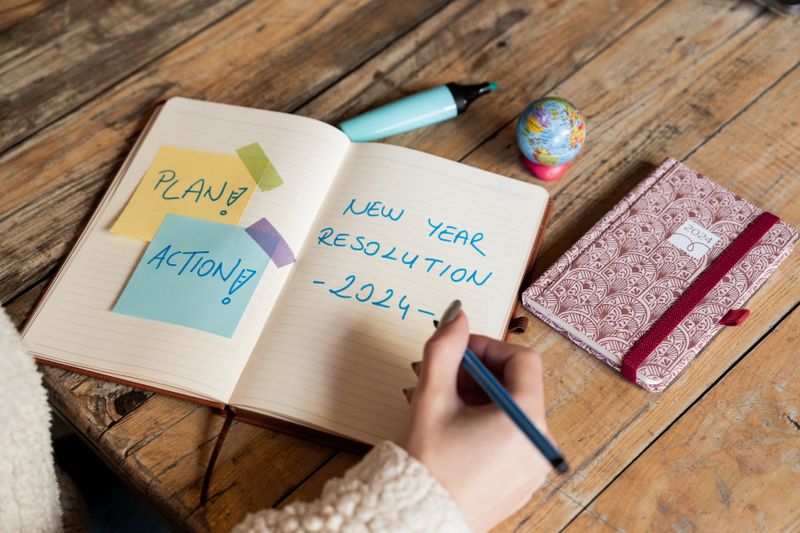
This is a threshold spread, not an everyday one. Pull it at a genuine turning point: the new year, your birthday (your personal new year, which many readers consider the more potent one), the start of a new job, a move, the close of a hard chapter.
Don't pull it weekly. The year-ahead spread loses its meaning if you keep re-rolling the dice; the power is in committing to one reading and then checking it as the months actually unfold. Do it once, write it down, and return to it in three months instead of redrawing.
How to lay the twelve-month spread
Shuffle while holding a simple intention: show me the year ahead. Then lay twelve cards in a circle, like the numbers on a clock face, starting at the one o'clock position and moving clockwise around the wheel.
Card one is the first month from now (if it's January, January; if it's your birthday in June, then June). Card two is the next month, and so on, all the way around. Twelve cards, twelve months, in order.
Then, if you want the version I prefer, pull a thirteenth card and place it in the center. That's the theme of the year, the thread running through all twelve months, the lesson or energy the whole circle is orbiting. Read it first and last: first to set the tone, last to tie everything together.
Reading it without getting overwhelmed
Twelve cards is a lot of information, and the beginner instinct is to interpret each month in isolation and end up with twelve disconnected fortunes. Don't. The magic is in the patterns.
Read the whole wheel before any single month. Lay all twelve and just look. What's the overall texture? A circle full of Cups is an emotional year; a pile of Pentacles, a material and practical one. Lots of Major Arcana means a year of big, fated-feeling shifts; mostly Minor cards, a quieter year of daily life.
Find the clusters and the turning points. Three Swords in a row in spring is a story. A single Major Arcana card dropped into one month is a spotlight on it. The Tower in October tells you something the surrounding cards don't.
Notice what's missing. A whole year with no Cups might say emotional life takes a back seat. No Pentacles could whisper about money or stability being oddly absent from your focus. What's missing tells you something too.
Then, and only then, read month by month, with the whole picture in mind.
Why AI is genuinely good at this one
The year-ahead spread is where AI tarot has a real, structural advantage over a quick human session.
Twelve cards plus a theme card is a lot to hold in your head and synthesize at once. An AI reader can track all thirteen, cross-reference them, and answer the questions that actually matter: "Which months share a theme?" "How does the year-theme card show up in March specifically?" "Where's the turning point in this wheel?" Pattern synthesis across a big spread is exactly the kind of work it's suited to, and it never loses the thread halfway through.
It's also patient with the follow-ups a year-long reading inevitably raises. You'll want to revisit certain months, ask what to watch for, and connect the spread back to what you already know is coming. That's a conversation, and the format suits it.
On aikoo, readers who work with multi-card, direction-focused layouts are the natural fit. One reads through several structured lenses on where your life is actually heading:


Another focuses specifically on the road ahead and the future energies forming around you:


What to do with it afterward
A year-ahead reading is useless if you do it and forget it. The whole value is in the looking-back.
Write down the twelve cards and the theme, with a line or two of interpretation for each month. Then actually return to it. When April rolls around, reread April's card. Sometimes it'll be eerily on the nose. Sometimes it'll have meant something completely different from what you assumed in January, and that gap is often the most interesting part.
The cards aren't writing your year. You are. The spread just gives you a frame to notice it happening, month by month, instead of waking up next December wondering where it all went.


